
Climate solutions & regenerative agriculture at the Climate Learning Center in Thai Nguyen
At the beginning of October, I spent the afternoon at the Climate Learning Center (CLC), located within Thai Nguyen University of Agriculture and Forestry (TUAF), touring the grounds alongside the project team from ICRAF. The site spans roughly 15 hectares and functions as a living demonstration of climate-resilient farming techniques.
The centre bridges the gap between academic research and practical applications, with a number of different demonstrations that can help famers reduce costs, improve soil health and, crucially, maintain a sustainable income.
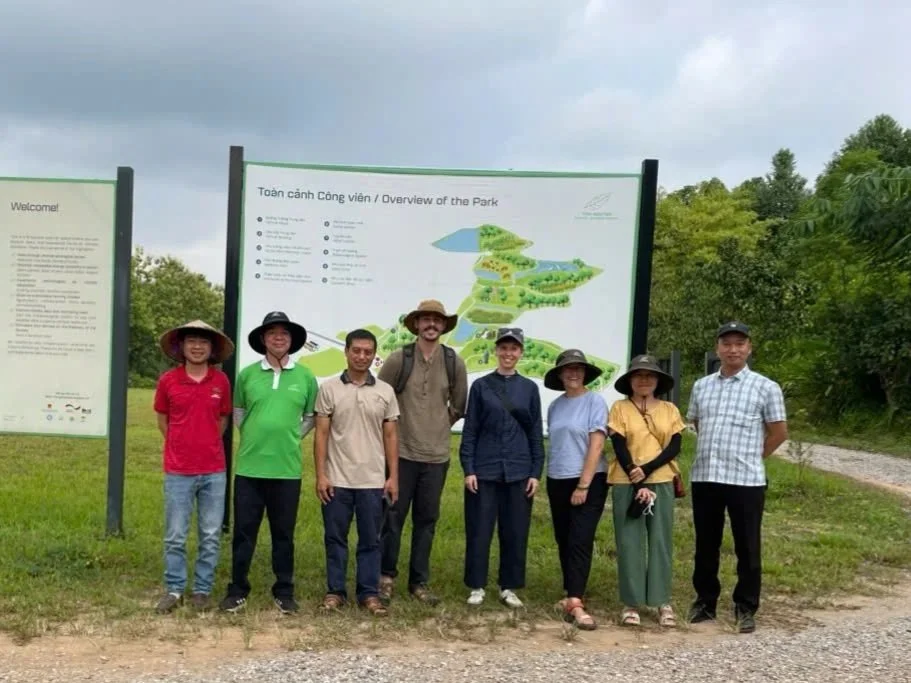
Đom Đóm, with the team from ICRAF
There are number of different plots and areas, based on the different topography and terrain within the grounds.
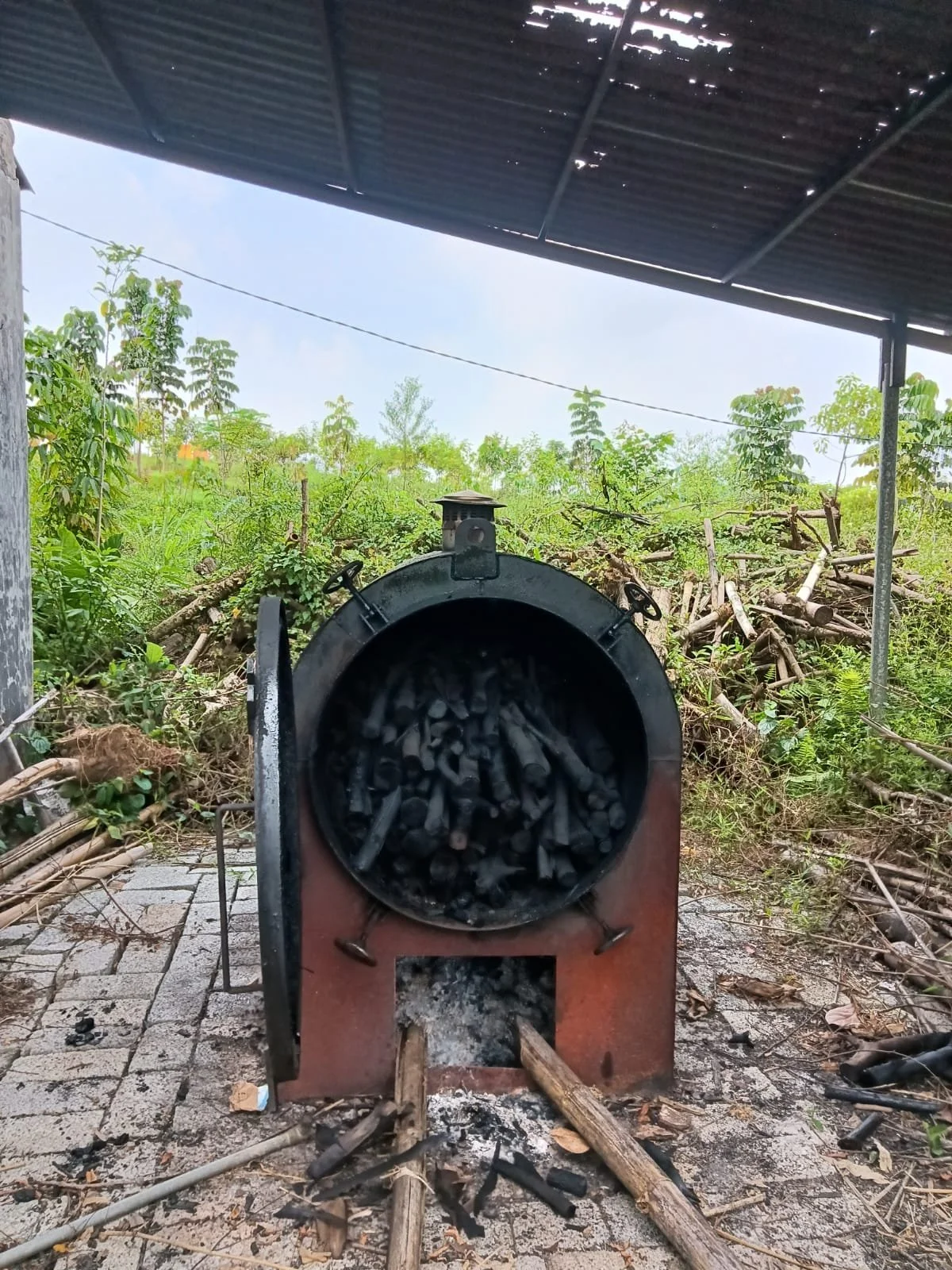
Stratified medicinal garden and agroforestry: The medicinal garden models planted underneath forest canopies show how to maximize vertical space and light interception. Nearby, agroforestry techniques are applied to steep and previously barren land, with rows of newly planted fruit trees and biomass species. layouts utilize fruit trees alongside soil-stabilizing structures, complemented by simple biochar kilns intended for local soil amendment and carbon retention.
Low carbon rice production: On the experimentation and demonstration plot, rice is cultivated with specific techniques in place to reduce carbon emissions. Specifically, reduced flooding of the soil, replacing mineral fertilizers with compost, manure and natural sources of nitrogen, as well as using the straw and husks in the formation of compost for the next season.
Circular Nutrient Systems: The grounds incorporate active vermicomposting systems alongside a modernized take on the traditional VAC (Vườn - Ao - Chuồng: Garden-Pond-Livestock) model, demonstrating how waste streams from livestock and kitchen outputs cycle back into garden fertility rather than leaving the property as pollutants. They also have 3 working biochar kilns of different designs, intended to guide people on how to produce biochar for soil regeneration.
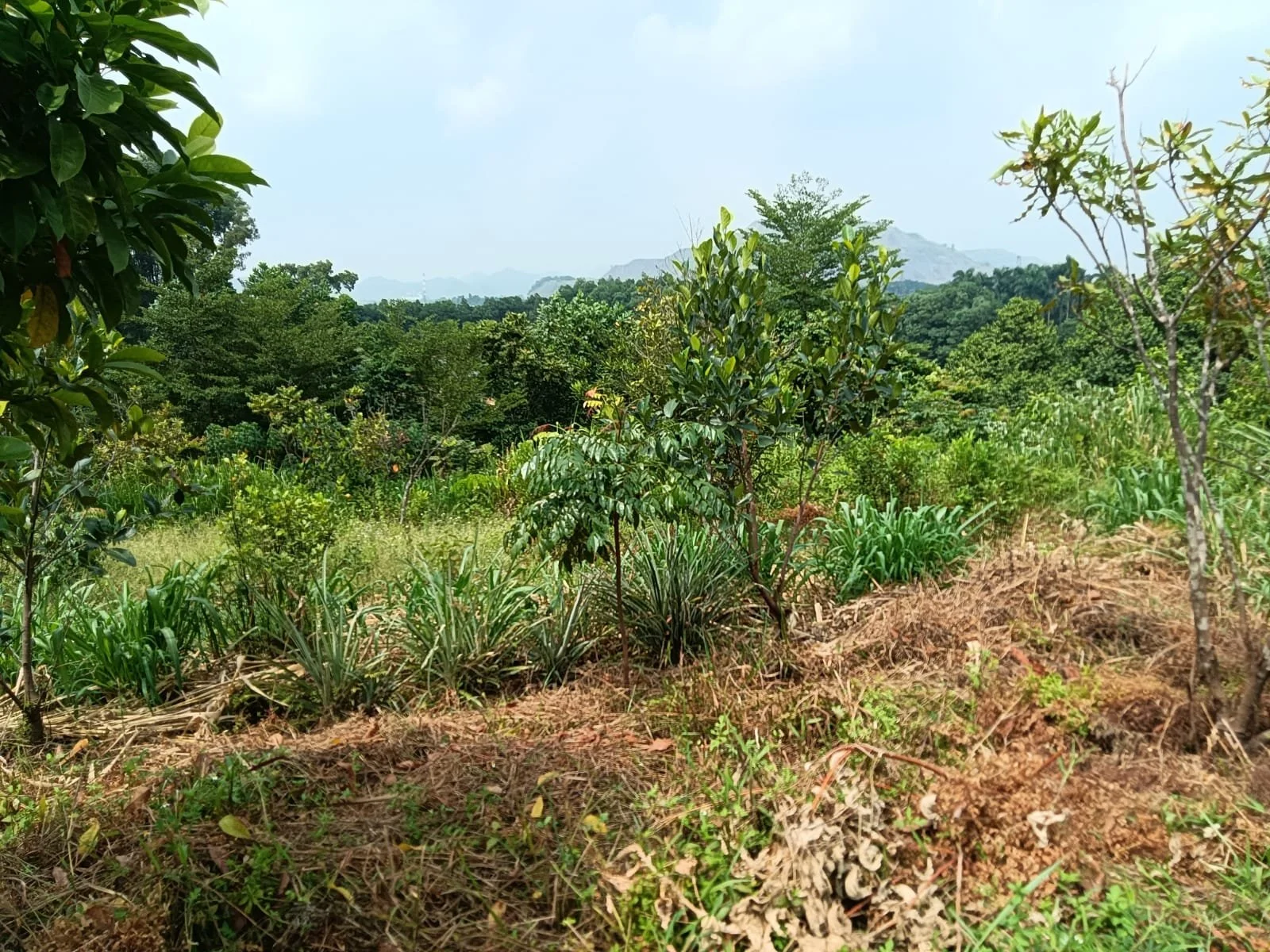
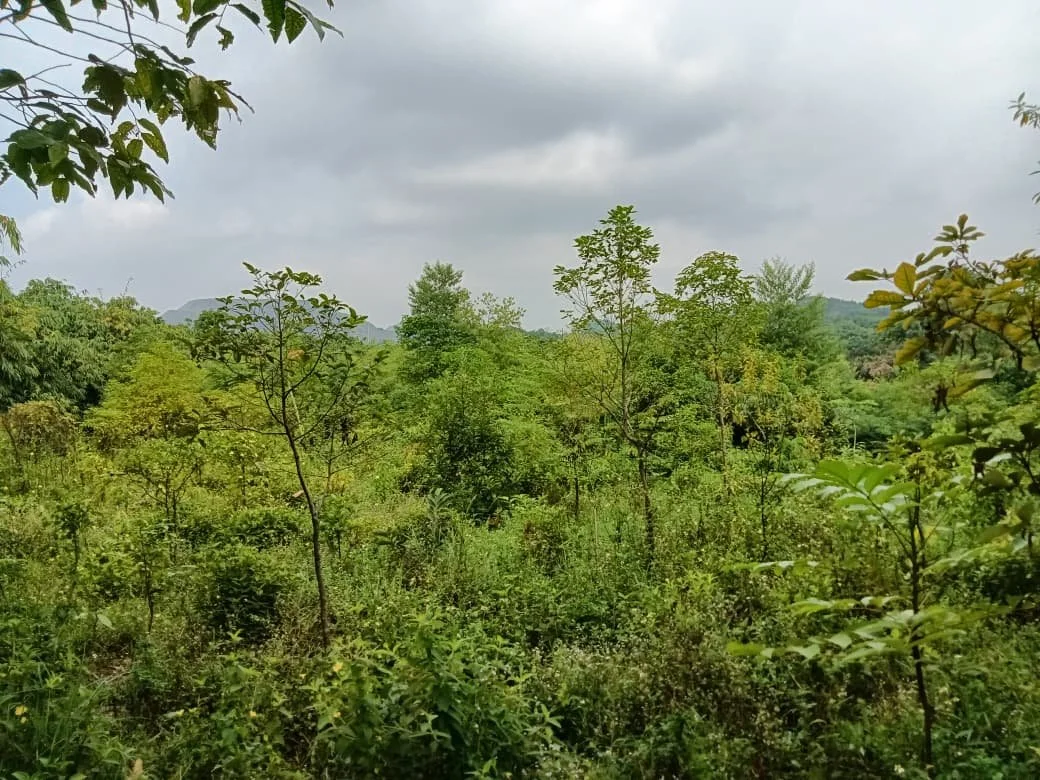
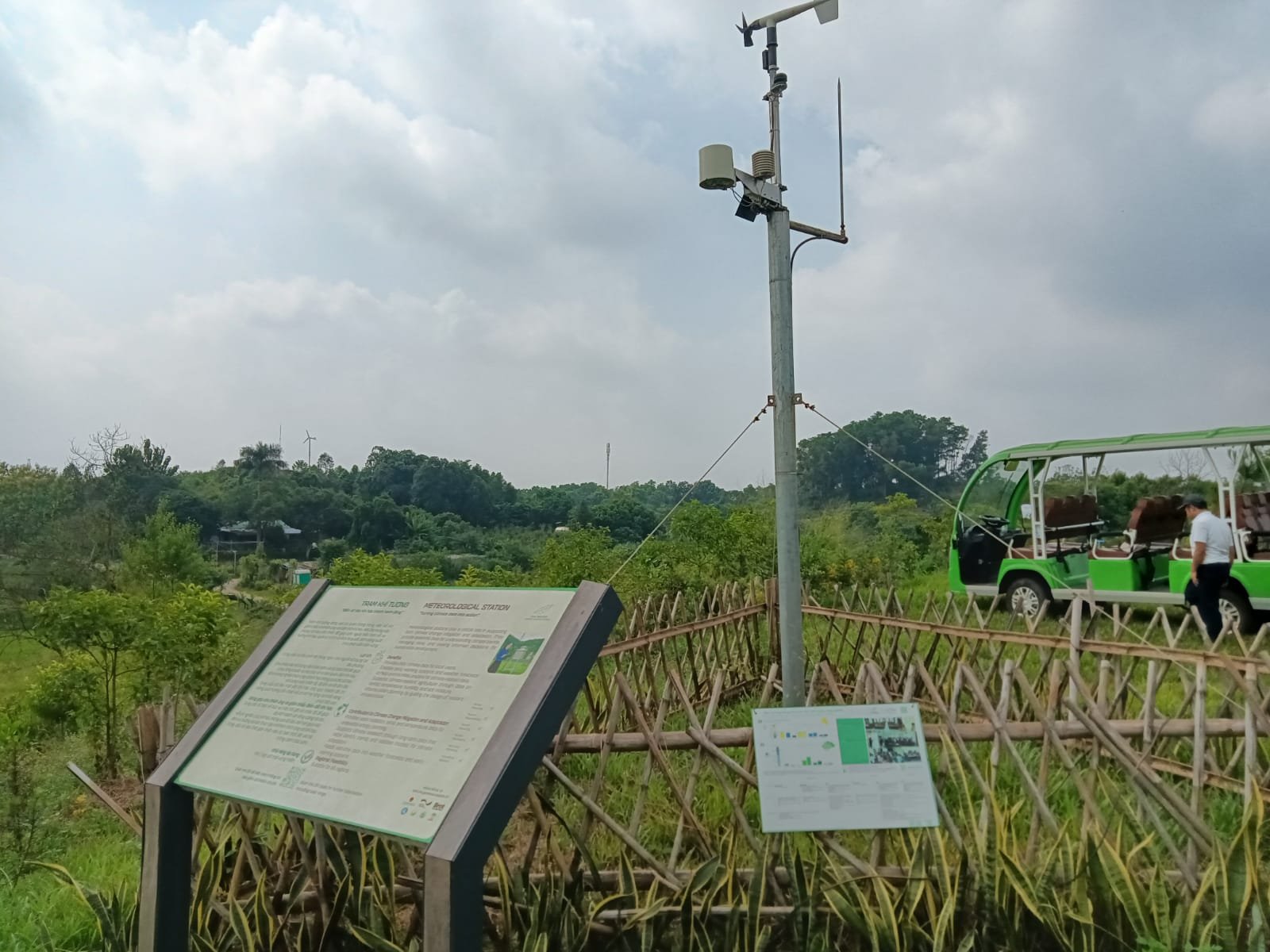
Construction started in 2024, and with most of the demonstration models now completed, they are gearing up to officially open to the public.
If you are interested in seeing how research translates onto the ground, you can check out their site here: Climate Learning Center
